World Cup 2034 Furniture Factory
The World Cup 2034 Furniture Factory plays a central role in Saudi Arabia’s efforts to support the Kingdom’s hosting of the largest global sporting event.
Makaseb
May 4, 2026 at 5:42 pm AST
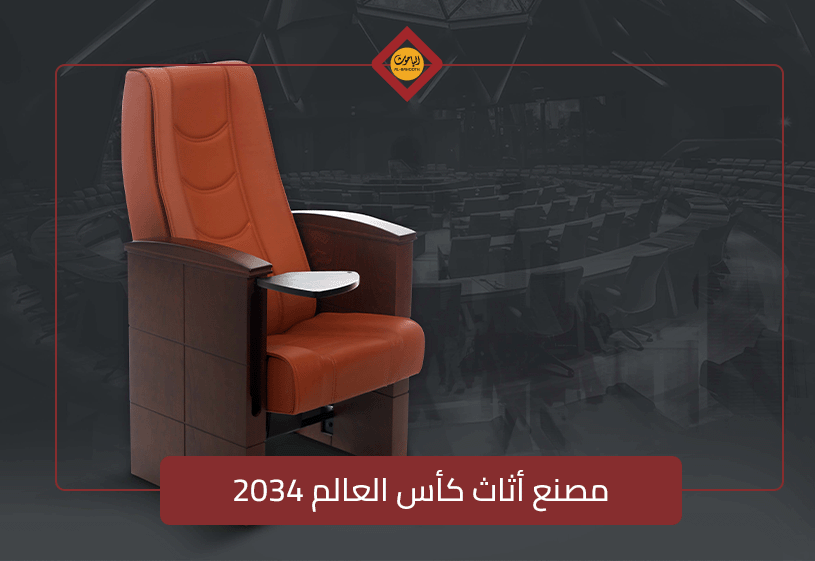
The World Cup 2034 Furniture Factory plays a central role in Saudi Arabia’s efforts to support the Kingdom’s hosting of the largest global sporting event. As the country prepares to welcome teams and fans from around the world, the importance of furnishing stadiums, hotels, and hospitality facilities with high-quality furniture that combines sustainability, safety, and design reflecting Saudi Arabia’s modern cultural and architectural identity becomes clear. Factories like Al-Bahouth are leading the way by relying on local manufacturing that integrates innovation and global industry standards in sports event furniture production.
With the expansion of World Cup 2034 preparations, there is expected to be a significant increase in demand for custom furniture for stadiums and hotels, which enhances the role of Saudi national furniture factories in reducing reliance on imports and supporting Vision 2030’s goal of empowering local industry. This shift not only addresses economic factors but also reflects Saudi Arabia's commitment to creating a comprehensive and sustainable environment that rivals global experiences in hosting major sports tournaments. World Cup furniture will become an integral part of the Kingdom’s evolving image in organization, creativity, and quality.
What Is the Role of the World Cup 2034 Furniture Factory in Event Preparation?
The Saudi furniture industry plays a central role in preparing the infrastructure for the 2034 World Cup, providing furniture and decor for stadiums, hotels, and hospitality facilities that reflect local character with a global spirit. National factories like Al-Bahouth are designing and manufacturing custom furniture that combines durability, beauty, and comfort, while considering the visual identity of the tournament and the intensive use required by major sporting events.
This industrial movement represents a practical step towards self-sufficiency in supplying large-scale events, as local factories help reduce dependence on imports and offer innovative solutions that meet global standards. At the same time, it supports the Kingdom’s modern image as a destination capable of organizing high-level sports events.
How Do Factories Contribute to Vision 2030?
The Saudi furniture industry aligns with Vision 2030 goals by enhancing local manufacturing and improving resource efficiency. The industry supports the localization of production in design, upholstery, and manufacturing, creating quality job opportunities for Saudi youth and contributing to the development of related manufacturing sectors. These institutions also focus on innovation and sustainability in material use, which enhances economic diversification and reflects the Kingdom’s developmental momentum.
What Are the Required Quality Standards for Furniture?
Furniture factories dedicated to World Cup preparations follow strict standards to ensure superior performance and long-lasting suitability, including:
- Furniture must be highly durable to withstand intensive use in sports and hospitality facilities.
- The design should prioritize comfort and ease of use, catering to visitors of all ages and cultural backgrounds.
- Materials are selected according to sustainability and environmental quality standards to support the Kingdom’s sustainability goals.
- Aesthetic details and design coherence with the tournament’s visual identity are essential to showcase Saudi cultural heritage in every space.
With these standards, national furniture manufacturing cements its role as a key player in ensuring the success of international tournaments and elevating the reputation of Saudi furniture suppliers globally.
What Are the Best Furniture Factories for World Cup 2034?
Saudi factories specializing in furniture manufacturing are an essential element in preparing for the 2034 World Cup, as they contribute to furnishing stadiums, hotels, and hospitality areas with designs that combine innovation and high quality. These factories not only produce but also develop integrated furniture solutions that respect local identity, align with sustainability standards, and meet Vision 2030 goals.
Al-Bahouth Furniture Factory
Al-Bahouth Furniture Factory is a major destination in the world of interior design and custom luxury furniture manufacturing. The factory provides integrated solutions for offices and large-scale projects, including furniture tailored to Vision 2030 programs. Its products are characterized by elegance, durability, and complete customization, alongside strict adherence to environmental standards and quick installation services. The factory has formed strategic partnerships with major institutions like Aramco and EXPO projects, which reflects its credibility and capability to execute large-scale projects that meet global event requirements such as World Cup 2034. More information about its services can be found on its official website.
Al-Qassim National Furniture Factory
Al-Qassim National Furniture Factory is distinguished by its advanced manufacturing capabilities, enabling it to turn design ideas into tangible products that serve large events. The factory combines high craftsmanship with practical solutions to meet the needs of stadiums and hotels during World Cup 2034. It adheres to national manufacturing practices and offers carefully designed sustainable furniture that reflects Saudi identity while maintaining global quality standards.
What Are the Global Standards for Choosing Stadium and Hotel Furniture for the World Cup?
What Are the Specifications for Stadium Seating?
FIFA and ISO standards set precise specifications for World Cup stadium seating to ensure fan comfort and long-term safety. These standards include resistance to harsh conditions in host countries, especially high heat and ultraviolet rays that directly impact the longevity of materials and quality. They also focus on design flexibility and quick maintenance during the tournament.
- Seats must be highly durable and resistant to wear from daily intensive use.
- Effective ventilation is required to ensure fan comfort during long matches.
- The aesthetic design must align with the tournament identity and local culture.
- Consideration is given to movement safety and ease of access, in compliance with international accessibility standards.
How Does Sustainable Design Impact Furniture Quality?
As part of Vision 2030, focusing on sustainable furniture has become a key element in preparing stadiums and hotels. The World Cup 2034 Furniture Factory relies on recyclable materials and environmental certifications such as FSC for wood and LEED for green buildings. This focus on sustainability not only improves the quality of furniture but also reduces environmental impact in the long term and enhances the tournament’s tourism experience.
Why Is Relying on Local Materials Important?
Relying on locally sourced materials for stadium furniture helps reduce production costs and speeds up delivery to meet strict project timelines. Local material design also preserves the Kingdom’s cultural character and enhances the harmony of furniture with the identity of host venues. Thus, every piece of furniture becomes part of a local narrative representing Saudi Arabia in a global event like World Cup 2034.
How Do Major Events Like the World Cup Affect the Saudi Furniture Market?
As the World Cup 2034 approaches, Saudi Arabia’s furniture market is undergoing significant transformation, driven by the increased demand for luxury and custom furniture for hotels, stadiums, and entertainment areas. With the growth of tourism investments and infrastructure, World Cup 2034 Furniture Factory opportunities are expanding to include high-end solutions that meet global hospitality standards. This trend reflects the experiences of countries like Turkey and Morocco, where furniture exports doubled during international tournaments, setting the stage for a dynamic Saudi market aligned with global demand for luxury furniture.
Are There Changes in Demand and Designs Due to the Tournament?
The tournament brings new realities to demand and design trends. Manufacturers are focusing on creating smart furniture that combines functional beauty with modern technologies to meet the needs of global guests. Designs are shifting towards comfort, innovation, and environmental suitability, with increased attention to customizing furniture for hotels, stadiums, and media centers. The marketing of event furniture is reflecting this shift, highlighting both the technical aspects and Saudi cultural identity in local furniture products.
What Are the Leading Technological and Future Trends?
Technological advancements in the furniture sector are accelerating in preparation for the tournament. Factories are adopting 3D printing technologies to design models with greater precision and using AI to analyze customer needs and customize designs accordingly. There is also growing interest in smart furniture integrated with IoT (Internet of Things) systems, allowing control over lighting, temperature, and comfort via digital applications. These solutions represent the future of the Saudi furniture industry and position it for global competition as World Cup 2034 approaches.
What Facts Should Be Known Before Contracting with a World Cup 2034 Furniture Factory?
When contracting with a World Cup 2034 Furniture Factory, executing entities need to verify a set of precise criteria to ensure quality execution and design consistency with tournament requirements. These criteria include reviewing quality certifications such as ISO and FSC, examining the factory’s track record in executing contracts for sports events, and paying attention to maintenance processes and after-sales services.
It is also crucial to evaluate the factory’s ability to handle large orders in a limited timeframe and whether it has flexible production teams capable of providing custom and quick solutions suited for the nature of tournament venues. Additionally, it is preferred to review the factory’s commitment to sustainability standards and waste reduction, especially since some Saudi factories have succeeded in reducing waste by up to 30% according to industry reports. Climate compatibility and stadium environments are also essential factors to ensure furniture doesn’t suffer from premature wear or degradation.
How Do I Ensure Durability and Safety?
Guaranteeing durability begins with inspecting the type of materials used in manufacturing seats, storage units, and tables for tournaments. Ensure there are testing certificates proving the furniture’s resistance to intensive use, heat, and humidity. It is also recommended to visit the factory’s site to verify production methods and internal quality control systems. Review safety protocols and installation guidelines, especially for furniture used in stadiums or public facilities, to ensure public safety.
What About Cost and Comparison with Imports?
The prices for tournament seats and sports furniture vary based on their origin. Local manufacturing often offers competitive prices due to lower shipping costs and faster delivery, in addition to easier warranty services and technical support. While importing may seem attractive for certain designs, it usually takes longer and is affected by global price fluctuations. Analyzing these factors helps accurately estimate the total cost before signing contracts.
Do Local Factories Comply with International Specifications?
Many Saudi and Arab factories are now striving to obtain technical accreditations to ensure their compliance with international tournament standards, whether in terms of design, quality, or sustainability requirements. It is essential to verify the factory’s commitment to the specifications in World Cup projects by reviewing official documentation and certification. Compliance with FIFA’s furniture and equipment standards is an important indicator of a factory’s readiness to meet the global event’s requirements efficiently.
FAQs About the World Cup 2034 Furniture Factory (FAQ)
Why Is It Important to Choose a Local Furniture Factory for the World Cup?
Choosing a World Cup 2034 Furniture Factory allows for faster, more efficient execution thanks to geographical proximity and direct communication with design and production teams. It also allows for precise customization of furniture according to the tournament’s character and the needs of sports venues, while boosting the national economy through local factory support and the employment of internal expertise.
What Are the Key Quality Standards for Event Furniture?
The process of manufacturing event furniture for large-scale tournaments is subject to strict standards to ensure performance and sustainability. These standards include high durability to withstand intensive use, resistance to environmental factors such as heat and humidity, and effective ventilation for comfort. The factory must also hold international certifications such as ISO and FIFA to ensure products meet global tournament requirements.
How Does Locally Manufactured Furniture Contribute to Sustainability?
Locally manufactured furniture contributes to reducing the carbon footprint by lowering emissions from transportation and imports. It also supports the use of recyclable materials and encourages optimal utilization of national resources, enhancing both environmental and economic sustainability in World Cup 2034 event preparations.
When Do Furniture Installations Begin for the Tournament?
Furniture preparation for the World Cup 2034 typically begins at least two years before the tournament’s start. This timeline ensures all design, production, and delivery stages are completed in accordance with strict quality and safety standards, ensuring that stadiums, hotels, and host venues are ready on time.
Conclusion
Factories like Al-Bahouth and Al-Qassim National play a pivotal role in preparing facilities for the World Cup 2034 with furniture that combines innovation and durability. This role reflects the development of national industry and its focus on sustainability, in line with Vision 2030, reinforcing Saudi Arabia’s position as an industrial hub capable of supporting the largest global sports events.