Hotel interior design
Hotel interior design is not merely about choosing colors or furniture; it is an integrated process that begins with planning and coordinating every corner of the hotel
Makaseb
May 25, 2026 at 5:26 pm AST
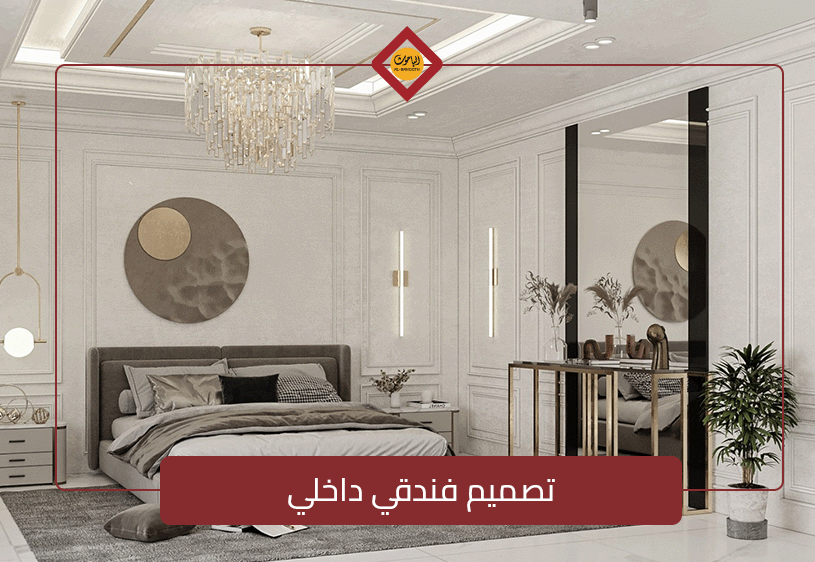
Hotel interior design is not merely about choosing colors or furniture; it is an integrated process that begins with planning and coordinating every corner of the hotel, from the reception lobby and guest rooms to corridors and restaurants, with the goal of creating a distinctive identity that leaves a lasting impression on guests from the very first moment. When executed expertly, hotel interior design generates a sense of comfort and luxury, deeply impacting first impressions, which directly reflects on guest ratings and satisfaction, encouraging repeat visits and recommendations. Elegant hotel decor, thoughtfully designed shared spaces, and meticulously detailed guest room design are all essential elements for enhancing the hospitality experience, increasing the venue’s appeal, and boosting profitability.
Since execution is the core of any successful hotel interior design idea, collaboration with a specialized entity for furniture and material implementation is crucial. Al-Bahouth Factory guarantees turning every hotel interior design vision into tangible reality using high-quality materials and precise finishes. If you aim to elevate your hotel decor or develop the hotel lobby and interior spaces to reflect your hotel brand identity, we invite you to consult Al-Bahouth experts to craft and implement luxurious hotel furnishings, transforming your ideas into unforgettable hospitality experiences.
Definition of Hotel Interior Design
This section provides a practical definition of hotel interior design, moving beyond traditional academic definitions and focusing on the practical foundations for understanding how interior elements are created within hotels.
1. Why Is Hotel Design Different?
Hotel interior design differs from residential design due to the need to accommodate hundreds of guests daily. This requires spatial planning that considers movement dynamics, sustainability solutions, high durability, and providing a functional yet comfortable environment simultaneously.
2. What Are the Components of Hotel Design?
Hotel interior design encompasses interconnected elements aimed at delivering a comprehensive guest experience within every space while emphasizing the hotel’s visual identity:
- Distribution of hotel spaces to allow smooth movement between public areas and guest rooms.
- Selection of materials and finishes that withstand intensive use and resist wear over time.
- Use of harmonious colors reflecting the hotel’s identity and imparting a distinctive character to spaces.
- Designing lighting systems that balance aesthetics and functionality, supporting comfort and clear visibility.
- Selecting durable, practical furniture suitable for long-term hospitality requirements.
- Reinforcing the hotel’s visual identity, including logos, motifs, structural details, and custom decor.
Key Elements of Hotel Interior Design
Successful hotel interior design relies on main elements that ensure guest comfort and positive impressions. It goes beyond appearance to include practicality and usability, fulfilling guest needs while reflecting the hotel’s identity.
1. Lobby Design and Traffic Flow
The hotel lobby is the first point of contact for guests, so it must convey a welcoming and organized impression simultaneously. The lobby serves as a navigation and circulation center within the hotel, guiding guests to their destinations easily while providing a sense of hospitality.
- Pathways should be clearly laid out to facilitate guest movement without obstruction or congestion.
- Multiple comfortable seating areas are recommended, with clear points of contact for reception staff.
- Waiting and gathering spaces should feature diverse furniture styles accommodating all guests.
- Entry and exit flows must be organized to reduce confusion and maintain guest privacy.
2. Guest Rooms and Bathrooms Design
Hotel room design must always balance functionality and visual appeal. Smart storage solutions enhance guest comfort and help keep spaces organized and spacious, while bathrooms offer practical, user-friendly design.
- Room success relies on a combination of comfortable furnishings and easily controllable lighting.
- Calm, appealing colors create a relaxing atmosphere that helps guests unwind.
- Innovative storage solutions must fit small spaces without disturbing the user.
- Furniture layout should allow easy movement and ensure privacy.
3. Restaurants and Public Spaces Design
Public spaces, such as restaurants, hold significant importance within hotel interior design as social and recreational areas. These spaces must combine comfort and functionality for diverse uses.
- Restaurant furniture should accommodate both groups and individuals.
- Lighting contributes to atmosphere, whether for breakfast or dinner.
- Service flow should be smooth between tables to ensure operational efficiency.
- The hotel’s visual identity must be reflected in restaurant and outdoor decor details.
4. Lighting and Colors
Lighting plays a crucial role in enhancing comfort in lobbies, guest rooms, and corridors. It should be carefully distributed to ensure clear visibility and highlight design elements. Calm colors dominate many hotel designs as they promote serenity and help guests relax after a long day.
5. Furniture and Material Selection
Selecting furniture and materials is among the most critical elements of hotel interior design, requiring a balance of quality, sustainability, and contemporary aesthetics aligned with the hotel’s identity.
- Materials should be durable and easy to maintain.
- Variety in upholstery and fabric materials adds practical beauty to decor.
- Furniture must be comfortable and meet user needs.
- Colors and surfaces should complement the hotel’s visual identity and maintain a comfortable atmosphere throughout the stay.
Modern Styles and Trends in Hotel Design
This section addresses the latest trends in hotel interior design, highlighting styles that meet contemporary comfort and taste requirements, emphasizing simplicity, calm colors, natural materials, and prioritizing guest experience quality.
1. Modern Style
Modern hotel design emphasizes simple lines, open spaces, and neutral color tones, ensuring natural light and integrating functional furniture to create a calm, contemporary environment, providing guests with comfort and spaciousness.
2. Classic and Contemporary Classic Style
Classic style retains decorative detail elegance and luxurious furniture, while contemporary classic simplifies these details with modern touches emphasizing elegance and comfort, creating a space combining traditional and modern luxury.
3. Industrial and Scandinavian Style
Industrial style highlights architectural structures and raw materials such as concrete and metals, whereas Scandinavian style focuses on simplicity, wood use, and light colors.
- Industrial style often leaves walls or ceilings exposed for a modern, attractive vibe.
- Scandinavian style relies on transparency, lighting, and open spaces.
- Combining these styles creates a strong unified design without losing warmth and comfort.
4. Green Design and Sustainability
Sustainability has become increasingly important in hotels, with eco-friendly materials and energy-saving technologies as core elements, promoting indoor plants and reducing carbon footprint for healthier, nature-connected hotel environments.
5. Integrating Local Identity in Design
Many contemporary hotel designers highlight local and cultural features through Arabic motifs in Gulf designs or handmade materials and accessories, enhancing uniqueness and giving guests a sense of place and authenticity.
Guest Experience and Design Impact
Hotel interior design directly affects guest experience and satisfaction, where thoughtful design details enhance hospitality perception and positively influence hotel reviews.
1. First Impressions and the Lobby
Lobby design influences guests’ first impressions. Spacious layouts, comfortable colors, and well-planned lighting make them feel welcome from the outset.
2. Psychological Comfort in Rooms
Good lighting and color distribution are key for psychological comfort. Aesthetic details and minimal visual distraction increase guest tranquility and relaxation.
3. Design and Online Reviews
Guest satisfaction with hotel interior design is fundamental in online ratings. Functionally harmonious rooms increase the likelihood of high reviews on specialized platforms.
- Poor lighting or jarring colors negatively affect guest satisfaction and generate negative feedback.
- Practical room design enhances comfort, often reflected in positive reviews.
- Thoughtful details in common spaces improve overall guest experience, linking to satisfaction and repeat visits.
Steps to Start Hotel Interior Design from Scratch
Practical steps help initiate hotel interior design projects that realize the venue’s vision and meet guest needs. This section outlines essential stages highlighting details that make a difference in the final result.
1. Hotel Identity Analysis
Successful hotel interior design requires precise understanding of the hotel’s identity, determining aesthetic style aligned with guest expectations, whether business, family, or tourist segments.
2. Space Distribution Planning
Space planning is a core step, distributing main areas by function to ensure smooth movement and seamless guest experience. Detailed planning includes:
- Lobby design for distinctive reception and guest flow.
- Clearly defined corridors connecting rooms and essential facilities efficiently.
- Room distribution considering privacy and access to services.
- Allocation of restaurants and recreational areas to support guest flow and provide comfort.
3. Selecting Overall Style and Colors
Choosing the general style and colors is crucial to convey the hotel’s message and identity visually, ensuring color schemes and decor align with previously analyzed brand personality.
4. Material and Furniture Selection per Operational Standards
Materials and furniture must meet operational and comfort standards, prioritizing durability, ease of maintenance, and practical furniture for continuous hotel use.
5. Collaboration with Design and Implementation Company
Working with a specialized hotel design and implementation company ensures that design vision is realized and plans are executed to meet quality and operational efficiency standards.
Common Mistakes in Hotel Design
Hotel owners often face design errors affecting guest comfort and space utilization. Key issues include:
- Congestion and Poor Furniture Distribution: Narrow pathways and poorly arranged rooms reduce space utilization and functional bathrooms, negatively impacting guest experience.
- Inappropriate Color Choices: Misaligned wall or furniture colors create discomfort and reduce room appeal.
- Weak or Distracting Lighting: Too dim or overly bright lighting affects comfort and ambiance quality in common areas and guest rooms.
- Lack of Local Identity: Absence of distinctive design or local character makes the guest experience ordinary, reducing uniqueness and connection with the surrounding culture.
Conclusion
Hotel interior design is a fundamental element for enhancing guest experience and ensuring modern hotels stand out in a competitive market. Attention to detail and execution quality can make a real difference in guest satisfaction and loyalty. If you plan to renovate your hotel or elevate your facilities, contact Al-Bahouth Factory for hotel furnishings and designs that meet the highest standards in hotel interior design.