Furniture for shopping malls and commercial complexes
Commercial mall and shopping center furniture forms the core of the visual and functional experience of the space.
Makaseb
May 10, 2026 at 11:38 am AST
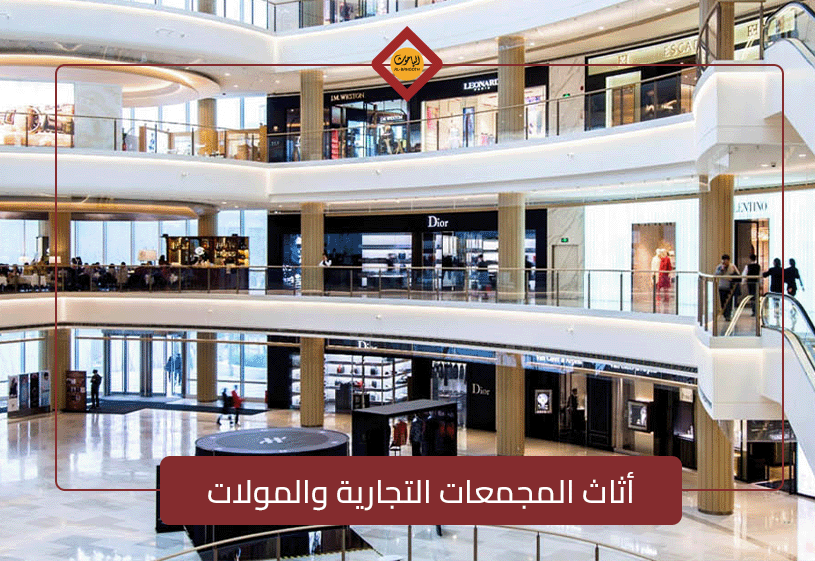
Commercial mall and shopping center furniture forms the core of the visual and functional experience of the space. It provides visitors with a sense of comfort and organization in a high-traffic environment. Choosing modern furniture for commercial centers is not just about appealing design; it also closely relates to durability, ease of use, and safety in public areas. The design of seating areas, waiting corners, and coffee tables inside malls directly impacts the flow of visitors and their interaction with commercial spaces.
In the Saudi and Gulf markets, there is increasing demand for durable commercial furniture that combines quality, beauty, and reasonable pricing. Al-Bahouth Factory stands out as a reliable Saudi supplier offering a wide range of modern furniture for shopping centers, taking care of every detail from material selection to seating area planning and sustainable maintenance systems. Discover the modern mall decor collection and various waiting lounge furnishings at Al-Bahouth Factory, and explore shopping mall furniture solutions designed to embody contemporary style and long-lasting quality.
What Is the Best Furniture Collection for Shopping Malls and Commercial Centers?
Al-Bahouth Factory Products
Al-Bahouth Factory is one of the leading specialized suppliers of shopping mall and commercial center furniture in Saudi Arabia. It blends contemporary luxury with the demands of intensive use in commercial projects. The factory designs its products based on durability standards and quality assurance to meet the needs of both the local and Gulf markets, offering solutions that fit large spaces or small corners in modern malls.
The factory offers a variety of products to furnish different areas of the mall, including:
- Safe Waiting Chairs with practical designs to support heavy daily use without compromising comfort.
- Reception Tables that match the mall's identity and add a touch of practical elegance.
- Comfortable Seating in various sizes suitable for food courts and rest areas.
- Display Shelves and Lounge Equipment designed to seamlessly integrate form and function.
The factory’s production lines use both local and international materials according to Saudi specifications, with a variety of colors and finishes that blend with different design styles in malls, from modern to classic.
From a technical standpoint, the factory’s products feature aluminum or epoxy-coated steel frames, providing durability for up to ten years. The seats are equipped with high-density foam cushions covered in stain-resistant, easy-to-clean fabrics, and feature a secure design with rounded edges to ensure visitor safety. The factory also offers the option to customize colors and spaces for large projects, along with shipping and installation services within Saudi Arabia and the Gulf countries.
Customer experiences highlight fast execution and easy daily maintenance of the furniture, as well as a five-year maintenance guarantee for certain collections, making Al-Bahouth furniture a trusted choice for malls and shopping centers looking to combine durability with a modern aesthetic.
How to Choose the Right Furniture for a Commercial Mall?
Selecting the right furniture for shopping malls and commercial centers makes a significant difference in the visitor experience and directly affects operational efficiency and the investment’s long lifespan. Balancing the beauty of design with the quality of materials and user comfort makes public spaces more welcoming, reduces breakdowns, and minimizes user complaints. Working with specialized commercial furniture suppliers helps achieve this balance and provides long-term maintenance cost savings.
What Are the Most Important Criteria?
Choosing furniture for shopping malls and commercial centers requires adherence to several technical and aesthetic standards to ensure quality and functionality:
- Material Durability: The materials used, such as treated wood, rust-resistant aluminum, or fiberglass, must withstand heavy daily use without wear or cracking. This durability ensures that chairs, tables, and display shelves last longer.
- Seating Comfort: The comfort of mall visitors depends on the appropriate seat height, balanced backrest angle, and comfortable cushion support. Achieving a balance between form and function creates a comfortable seating experience in waiting areas and food courts.
- Aesthetic Design and Color Coordination: The furniture design must align with the mall’s visual identity, choosing colors and shapes that complement the lighting and facades. This harmony enhances the overall impression and makes the environment more attractive.
- Stain and Moisture Resistance: It is recommended to choose fabrics and materials that are easy to clean and withstand moisture or frequent spills, especially in dining areas.
- Ease of Maintenance and Cleaning: Commercial furniture components should be easy to maintain without requiring complex disassembly, with quick replacement of damaged parts like seat covers or handles.
- Safety Standards: Adherence to approved commercial furniture safety systems in Saudi Arabia is essential, such as using rounded edges to reduce injury risks and non-flammable materials according to BS 5852 standards.
- Space Efficiency: Properly distributing chairs, tables, and display shelves helps organize movement inside the mall without congestion or obstruction of views.
What Are the Common Mistakes When Purchasing Furniture?
- Ignoring Real-World Material Durability Tests: This leads to early wear, especially for chairs and tables with heavy use.
- Choosing Untreated Wood Furniture: This exposes it to peeling or swelling due to moisture in exposed corridors.
- Not Verifying Actual Seating Dimensions: This results in uncomfortable seating for visitors, no matter how attractive the design.
- Neglecting the Impact of Lighting and Surrounding Colors: This leads to poor visual coordination between furniture and other interior design elements in the mall.
- Lack of Regular Maintenance, Especially for Metal or Synthetic Wood Furniture: This causes a loss of shine and cracking of surfaces over time.
Avoiding these mistakes ensures that the advantages of waiting and comfort furniture in malls remain effective and sustainable, boosting visitor confidence in the venue’s service environment.
What Is the Difference Between Materials Used in Commercial Furniture?
Choosing the material for shopping mall furniture directly impacts the item’s lifespan, maintenance costs, and the level of safety and comfort in crowded environments. The material is not a secondary detail but a crucial element that determines how the furniture will withstand daily pressure and repeated use.
Advantages and Disadvantages of Engineered Wood
Engineered wood, such as MDF and HDF, is a popular choice for durable commercial furniture due to its flexibility in shaping and moderate cost. It is resistant to daily scratches, provides good thermal and sound insulation, and is easy to clean with a damp cloth. However, it requires careful treatment against moisture, as it is prone to swelling in poorly ventilated or closed environments. Regular maintenance is recommended to maintain its durability and appearance.
Characteristics of Metals and Fiberglass
Metals such as aluminum and epoxy-coated steel are used in supporting structures and waiting areas due to their strength and high resistance to rust and fire. These materials can last for more than ten years, making them an ideal choice for heavy use in mall lounges. However, their weight and cold nature require them to be paired with softer materials such as foam or leather to improve comfort.
Fiberglass is used when flexibility and light weight are required, especially in food court areas within commercial centers. It resists chemicals, moisture, and fire, is easy to transport and clean, and maintains its modern appearance, though it requires periodic polishing to maintain its shine. It is a practical choice for areas with constant movement and crowds.
User Experience with Each Material
User experiences in malls show that moisture-treated materials are in high demand, especially in Gulf environments. Many users praise the ease of maintenance and durability of epoxy-coated steel, while others express dissatisfaction with untreated or poorly coated wood furniture. Additionally, the user experience with wood vs. metal furniture clearly differs in terms of warmth and comfort, which makes selecting the right material a key step in designing modern commercial furniture.
What Are the Specifications for Successful Mall Interior Design?
Interior design for shopping malls and commercial centers plays a pivotal role in the visitor experience. It’s not just about the aesthetic appeal; it also involves organizing and distributing mall furniture to ensure smooth flow and avoid congestion. The success of commercial spaces depends on how well the mall's décor supports the natural flow of movement while providing a comfortable and stylish environment.
How Does Furniture Ensure Comfort and Flow?
Choosing comfortable furniture for commercial centers enhances visitor comfort and encourages them to stay longer. The designs should include open seating areas that allow easy movement and efficient furniture distribution, with low-back chairs and small tables to create a sense of openness and flow in the aisles. It is also recommended to use modern reception furniture at waiting points and entry halls to facilitate movement and reduce the visual strain caused by dense crowds.
What Are the Key Safety Standards and Standard Dimensions?
Mall interior design standards in Saudi Arabia and the Gulf rely on fixed dimensions and proportions to ensure safety and ease of use:
- The shopping mall area exceeds 3000 square meters, with a building percentage of approximately 50%.
- Future expansion should account for 20% of the total area.
- The minimum frontage of the mall is 50 meters, and the width of internal aisles should not be less than 5.8 meters (3.5 meters at entrances).
- Waiting area shelves or seats should have a width of no less than 1.10 meters to ensure a comfortable resting space.
- Emergency exits are distributed at a rate of two exits for every 35 meters in length to ensure safe evacuation routes.
- The ideal height of the chair is 43 cm from the ground, with a 10 cm gap between the seat and the table in dining or café areas.
- Office aisles are at least 1.90 meters, with 1.30 meters between tables for privacy and ease of movement.
- The ideal office desk dimensions are 160x80 cm with a height of 78 cm for daily use comfort.
How Are Visitor and Restaurant Seating Organized?
Organizing visitor seating in malls requires balancing comfort with visual dynamics. High-density cushions and upholstery with stain-resistant materials are recommended for repeated use, with rounded edges to prevent accidents. It is also advisable to adjust lighting in accordance with the type of activity, whether in reception areas or dining zones.
For restaurant seating, tables should be spaced at 1.30 meters for ease of movement and service, with designated areas for bags and short seats for comfort near fitting rooms to complete the shopping and relaxation experience in a comfortable and safe environment.
What Are the Key Considerations Before Purchasing Mall Furniture?
Smartly selecting furniture for shopping malls and commercial centers doesn’t just rely on aesthetics; it requires a careful study of space, visitor numbers, and daily usage patterns. Pre-planning and physical inspection of samples can save both budget and time, with an emphasis on material quality and durability over external appearance.