Commercial interior design
Commercial interior design forms the cornerstone of any business seeking distinction and customer attraction.
Makaseb
May 25, 2026 at 5:21 pm AST
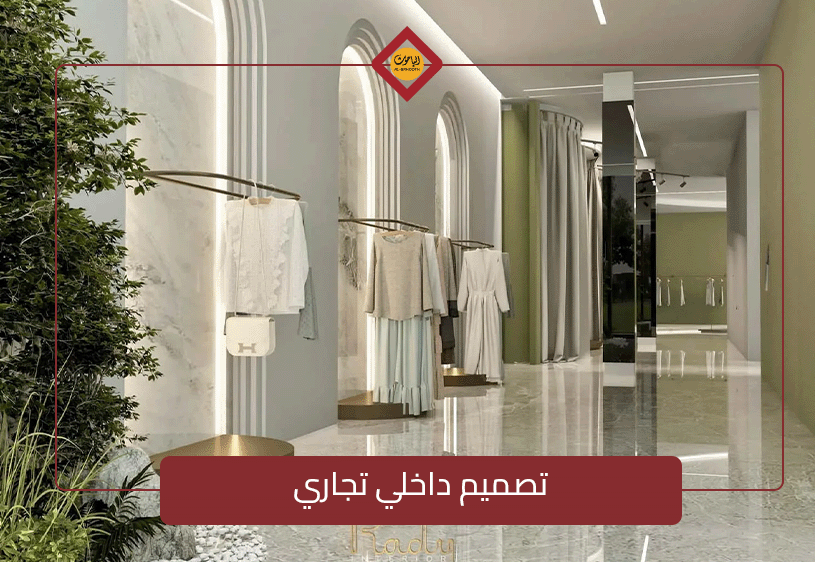
Commercial interior design forms the cornerstone of any business seeking distinction and customer attraction. Many of you aim to understand the fundamentals of commercial interior design or face the challenge of selecting the right entity to implement your project, such as Al-Bahouth Factory. If you are seeking consultation or specialized support in commercial interior design, you can contact Al-Bahouth Factory directly to bring your vision to life.
When we speak of commercial interior design, we do not mean superficial decor; rather, it involves comprehensive planning of commercial spaces that serves the store’s brand identity, respects functionality, and enhances the customer experience at every step within the store. The power of commercial interior design lies in optimizing traffic flow and developing commercial spaces to reflect the brand’s personality, encouraging customer engagement and trust. Therefore, if you are considering designing a store or renewing commercial decor, a well-thought-out commercial interior design is one of the keys to success for any retail space.
What Is Commercial Interior Design?
Commercial interior design is a comprehensive process aimed at coordinating commercial spaces in terms of spatial planning, traffic flow, visual identity enhancement, lighting distribution, and product display in alignment with brand objectives. It includes a detailed study of business needs to provide an integrated experience for visitors and customers, extending beyond aesthetics to support the operational performance of the space.
1. How Is It Different From Decoration?
Commercial interior design differs from commercial decoration in that it focuses on functional planning of the space and supporting business continuity and revenue, whereas decoration typically emphasizes colors and visual appeal without fully considering factors related to achieving brand goals or operational efficiency.
2. Why Is It Linked to Brand Identity?
Commercial interior design is closely tied to brand identity, as elements such as colors, materials, lighting distribution, and traffic paths are designed to embody the brand’s philosophy and strengthen its presence in the customer’s mind. These details are selected strategically to ensure that the interior of commercial stores immediately reflects the brand’s character and values.
3. How Does It Affect Customer Experience?
A successful commercial interior design directly influences customer experience within the store by guiding movement and enhancing interaction with offers and products in a planned manner.
- Comfortable, functional design encourages customers to stay longer in the space.
- Clear product and pathway distribution increases conversion rates and promotes sales.
- Thoughtful lighting and consistent identity make the customer experience more memorable.
- Organized space and professional planning reduce congestion and ease visitor movement, increasing satisfaction.
Why Is Commercial Interior Design Important for Businesses?
1. How Does It Boost Sales?
Effective commercial interior design plays a central role in increasing sales by creating an environment that encourages purchases. The correlation between design quality and conversion rates is clear: thoughtful visual elements and well-planned space layouts stimulate buying behavior and support business objectives.
- Shelf arrangement and traffic flow guide customers toward key products and prevent overcrowding, providing a more comfortable and smooth shopping experience.
- Proper lighting highlights new products or special offers, attracting customer attention and increasing chances of immediate purchase.
- Deliberate use of colors impacts customer psychology; soft colors encourage longer browsing, while vibrant colors energize and prompt purchase decisions.
- Enhancing customer experience through organized display and arrangement creates a positive impression and encourages repeat visits.
2. How Does It Enhance Space Appeal?
Good commercial interior design gives the space visual appeal, balancing functionality and aesthetics to reflect the business identity and make customers feel comfortable and eager to explore. Harmonized colors and coordinated furniture layout create a strong first impression and strengthen the brand’s mental presence.
3. How Does It Affect Employee Productivity?
Effective commercial space design contributes to employee productivity by providing an organized environment, facilitating navigation between departments, reducing congestion that could impact focus, and utilizing appropriate lighting and carefully chosen colors to maintain team morale and engagement with customers.
Fundamentals for Designing Commercial Spaces
Defining Business Objectives
Every commercial interior design process begins with analyzing the business and precisely defining space objectives, whether increasing sales, enhancing customer experience, or improving engagement rates. This analysis outlines the design framework and determines subsequent visual and functional directions.
Studying the Target Audience
The target audience is a crucial factor in shaping commercial design. Design style is primarily derived from the characteristics, needs, and tastes of the intended customer base, varying if customers are young, families, or have modern preferences.
- Understanding age groups helps in selecting appropriate colors and typography.
- Assessing their interest in technology or open spaces guides spatial planning.
- Studying expectations regarding comfort and service determines priorities for furniture and lighting placement.
Analyzing Brand Identity
Successful commercial design requires a deep understanding of brand identity, unifying visual details and guiding design choices. This appears in elements such as logos, colors, and font types, ensuring the final outcome is visually consistent and reflective of the brand’s nature.
Space Planning and Traffic Flow
Space planning focuses on circulation within the commercial space, as its effectiveness enhances appeal, supports sales, and prevents bottlenecks or congestion at key points.
- Clear, direct paths facilitate customer exploration of all areas.
- Attraction points (like promotions or main products) along the path encourage exploration.
- Reducing obstacles or sharp corners improves flow and visitor comfort.
Lighting and Its Role in Highlighting Products
Lighting is fundamental in commercial interior design, used to accentuate products and enhance the space’s appeal. Proper lighting distribution and focus on selected products encourage customer engagement and create an atmosphere reflecting the business identity.
Colors and Materials
Color and material choices depend on business type: a restaurant requires warm materials and appetite-inducing colors, fashion stores need modern, trendy materials highlighting products, while a pharmacy benefits from calming colors and easy-to-clean materials. Material selection maximizes space use and enhances visual appeal and dynamism.
Utilizing Small Spaces
Small space optimization requires smart solutions to highlight products and increase appeal.
- Multi-functional furniture enhances space utilization.
- Vertical shelving and product display maximize height instead of crowding floors.
- Combining hidden storage with decorative elements saves space and organizes efficiently.
Practical Steps for Implementing Commercial Interior Design
Gathering Information and Business Analysis
Planning begins with collecting precise information about the business type and analyzing its requirements, defining specific space needs to ensure the store serves operational purposes and customer comfort.
Setting Budget and Timeline
After identifying needs, a detailed budget covering all development elements such as finishes, lighting, furniture, and signage is prepared, along with a clear timeline from initial preparation to delivery.
Preparing the Initial Layout
The initial layout is pivotal, involving architectural divisions and internal traffic organization to maximize space utilization and ensure ease of movement for customers and staff.
Selecting Materials and Finishes
Next, appropriate materials and finishes are chosen considering quality, aesthetics, and functionality:
- Ensure color and material harmony with store identity.
- Choose finishes durable for daily use and suitable for the work environment.
- Use lighting solutions matching the business type and drawing attention to products or services.
- Select furniture meeting visitor needs and reflecting commercial design style.
- Attend to signage details to facilitate customer movement.
Supervising Implementation
Commercial interior design execution requires continuous supervision to ensure plans are applied correctly, monitoring all preparation details, and confirming quality and compliance with standards.
Adjustments During Work
During implementation, unforeseen needs or challenges may arise, requiring flexibility to make adjustments to plans or materials, ensuring outcomes align with business goals and needs.
Difference Between Commercial and Residential Interior Design
- Functional Goal Difference: Commercial design aims to enhance brand identity and provide a distinctive customer experience, attracting attention and reinforcing branding, while residential design focuses on personal comfort and daily living suitability.
- Material Selection: Commercial decor materials are selected for durability and frequent use, with easy maintenance and cleaning, whereas residential design can use softer, more comfortable materials due to lower wear.
- Movement and Lighting Standards: Commercial lighting serves marketing purposes, highlighting products and spaces, while circulation considers customer navigation within the store.
Common Mistakes in Commercial Space Design
- Neglecting Brand Identity: Failing to include unique brand elements reduces impact and weakens brand presence.
- Poor Storage and Clutter: Ineffective storage leads to clutter, negatively affecting the store image and space sustainability.
- Incorrect Lighting: Improper lighting impacts product visibility and customer comfort, diminishing sales potential.
- Complex Traffic Paths: Complicated circulation creates bottlenecks, reducing exploration ease and customer comfort.
- Unsuitable Color Choices: Colors not matching business type or products reduce appeal and affect purchase decisions.
Conclusion
Commercial interior design plays a crucial role in business success, as professional planning and execution achieve brand goals and attract customers. Al-Bahouth Factory provides specialized expertise ensuring precise and professional project implementation. If you are seeking a trusted partner in commercial interior design, you can contact Al-Bahouth Factory for consultation and execution aligned with your vision.